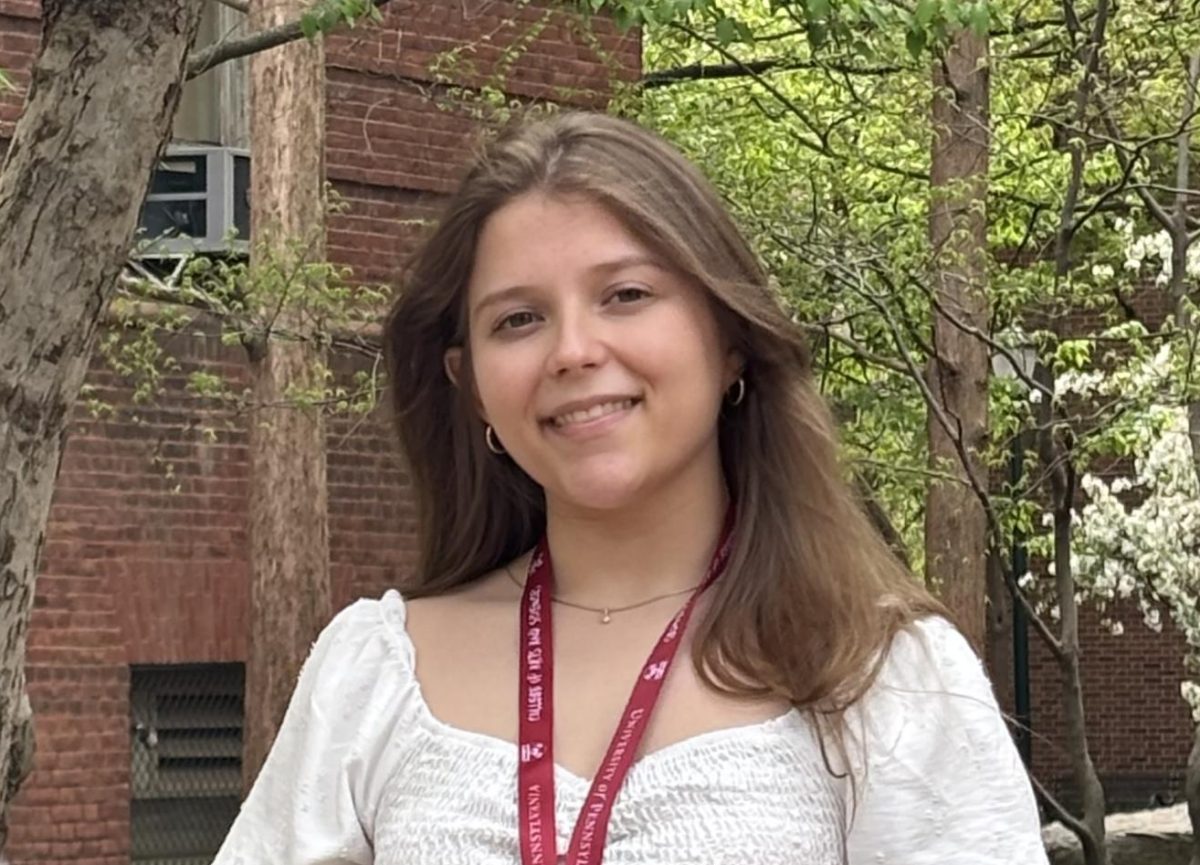
Freshman year.
Do people dread this year or anticipate it?
The day before the beginning of Freshman year had been somewhat exciting, yet nerve-wracking. Part of me was excited about making new friends. The other part of me was nervous about the new environment. After experiencing it all, I have mixed feelings, but am certain about one thing. Here’s the deep dive into high school, from the perspective of a senior Kardinal.
Underclassman Years
Freshman year felt like the second lightest years out of the four. Most of my time was spent adapting to the pace of things: where my classes are, class expectations/responsibilities, how teachers teach, who your friends are, and most of all—who you are.
Figuring out the student you want to be establishes the foundation of your four years of high school (unless you experience some sort of wake-up call). From your behavior in class, interest in sports or band, to the music you listen to, these attributes will determine the flock you fly with and your attitude toward school. Unfortunately, this process causes the year to feel painstakingly long—at least in my case. During freshman year, I experimented with activities (e.g., indoor track, SBYS, and Critics Café) which helped broaden my social sphere and gave me an idea of what to expect in the next four years.
The classes I took were accelerated since I was dual-enrolled with Hudson County Community College (HCCC). However, as an Early College student, my schedule was largely up to HCCC—so I lacked the freedom that most students possess. I took a mix of asynchronous and college-level courses taught by high school teachers. I would advise freshmen to try and plan out their schedule this year to prepare for college applications.
- Some notes:
- The French teacher, Mrs. Magalhaes (mah-ga-ligh-z), is funny and witty, but she’s the only teacher I have had who actually commits to pop quizzes…
By sophomore year, students should know what to expect. There’s still a few years until you graduate, but this is when the time begins to speed up—though not by much. I wanted to become more involved so I joined more clubs (e.g., art club and the Kearnian), tried out Science League, and explored communities outside of high school (HCYLC).
My classes for a sophomore were abnormally difficult, and the course load was intense. By this point, I learned many skills: time management, studying methods, and how to prioritize. However, I pushed myself too hard—which unfortunately worsened my sophomore year and those effects bled into my junior year.
- Some notes:
- By now, you should understand that the Homecoming dance will never fail to disappoint you.
- Try to land an officer position at a club you are genuinely interested in at some point sophomore year, if you haven’t done so already by freshman year.
- Definitely job-hunt at some point this year to generate some professional skills and have some funds saved for college.
Upperclassman Years
Junior year feels much quicker in comparison to sophomore and freshman year. However, stakes rise. Junior year is known as the year students begin to take AP classes at Kearny High School. It is also the year we are expected to perform adequately on state and school testing to graduate or get into a decent college (e.g., NJGPA, PSAT and SAT/ACT). Honestly, Junior year was the most mentally-taxing year of my high school experience. I suggest practicing self-care, not procrastinating, but also not pushing yourself beyond your limits. You can do this!
As an Early College student, I juggled AP classes alongside asynchronous classes with Hudson County Community College. For any dual-enrolled student reading this: yes, it is tedious, but not very difficult. By the end of the year, senioritis will already begin to reach you. Be ready… In addition, this is the year you visit the community college to prepare for senior year if you are an Early College student!
Junior year summer should be partially spent preparing for college applications, in my opinion. I became serious about my extracurriculars and intensely studied for the SAT. I learned about an underrated college application tool called QuestBridge, which is specialized for FGLI students (First-Generation; Low-Income). I became a College Prep Scholar, which came with a trip to Yale, college application resources, and an idea of how to begin my college application journey.
- Some notes:
- If you don’t have one already, definitely form an idea of what you want to study in college. This interest can change later, but you should center your high school “resume” around this interest.
- Select and ask your teachers for a letter of recommendation around May-July with a “brag-sheet.”
Senior year feels like a blink of an eye compared to any other year. Things flew by much quicker, especially because my schedule consisted of only two high school classes and four community college classes that were separated into two for each semester.
I applied to college through QuestBridge and got matched with the University of Pennsylvania by early December. I spent the rest of the year learning about Penn, job-hunting, but also taking much-needed rest.
Senior year is definitely the year students should spend trying to fully understand the kind of person they want to become while preparing for college (applying to pre-orientation programs, looking into sororities/fraternities/thinking about majors, etc).
As amazing as it sounds to successfully reach every student who reads this, high school will be a different experience for each and every student. For this reason, I extend this one word of advice I hope you genuinely apply to your life. Know that you, as a student, will change and grow each passing year. For this, do not be afraid to try new things, express yourself differently, and deviate from the status quo! Have as much fun as you can, but also lock in so you can reach your full potential, and have not just the ability but the option to go anywhere you would like to in the future.